
Dystonia Rehab
BLOG
The Paradox of Effort: Why Strength Training Fails to Effectively Rewire the Brain 2
In this article, we dive into cutting-edge neuroscience from Washington University in St. Louis to share four precise movement reconstruction strategies for dystonia. By translating dense scientific studies into practical concepts, we hope to lift the burden of traditional practice and help your body reclaim its long-lost fluid grace and freedom.
The Paradox of Effort: Why Strength Training Fails to Effectively Rewire the Brain 1
Why does simple resistance training provide limited benefit for dystonia rehabilitation? Citing a 2025 study from Washington University in St. Louis, this article analyzes the vertical hierarchy of the motor control system. When the high-level cortex fails, control downshifts to low-level primitive reflexes that take over the limbs. To reclaim motor control, the key lies not in muscle strength, but in “motor skill learning” that reactivates the brain’s inhibitory capacity.
Treatment from a Century Past
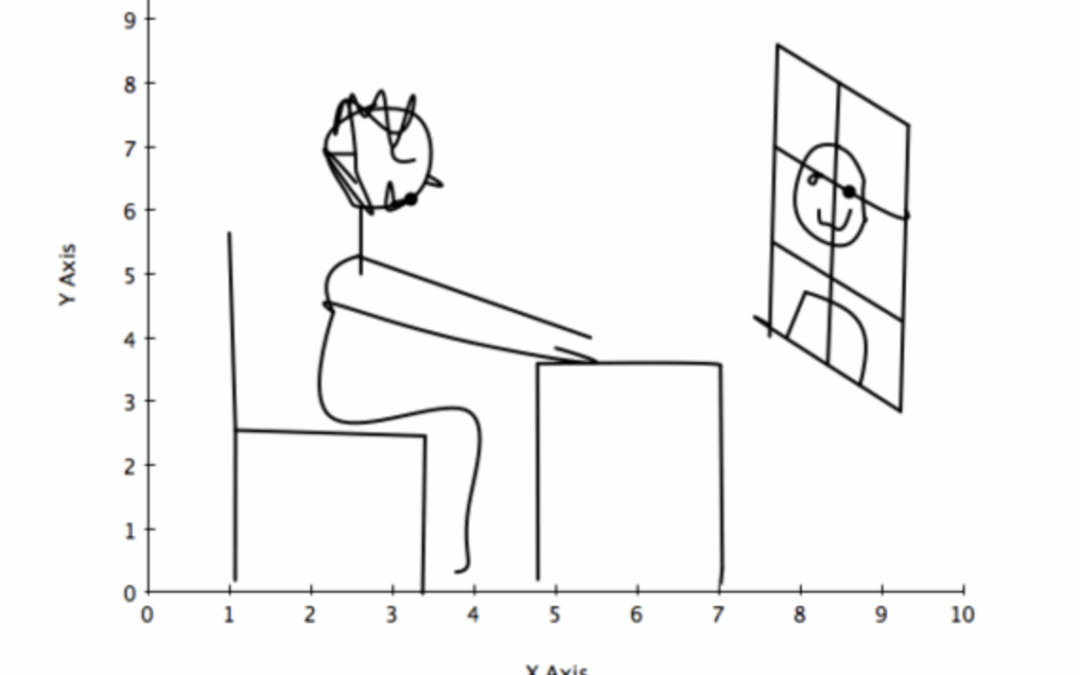
This article reviews the “psychomotor re-education” used by French neurologist Henri Meige a century ago to treat spasmodic torticollis. This historical therapy emphasized the patient’s active participation, utilizing mirrors, strict routines, and the principle of short, precisely repeated movements. This approach aligns with contemporary neuroplasticity training, reminding us that while passive therapies like Botox dominate today, a holistic, active form of rehabilitation—encompassing self-management and neuro-training—remains the cornerstone of dystonia recovery.

A Better Future
I don’t like to call the process of dystonia rehabilitation a long-term struggle. As if the patient did not fight it seriously, did not try his best to beat the disease (only those who restore function are the winners), so he succumbed to the disease. “Live with Dystonia” is not a matter of winning or losing. We do not need to overcome the disease, but accept it as a part of our lives.
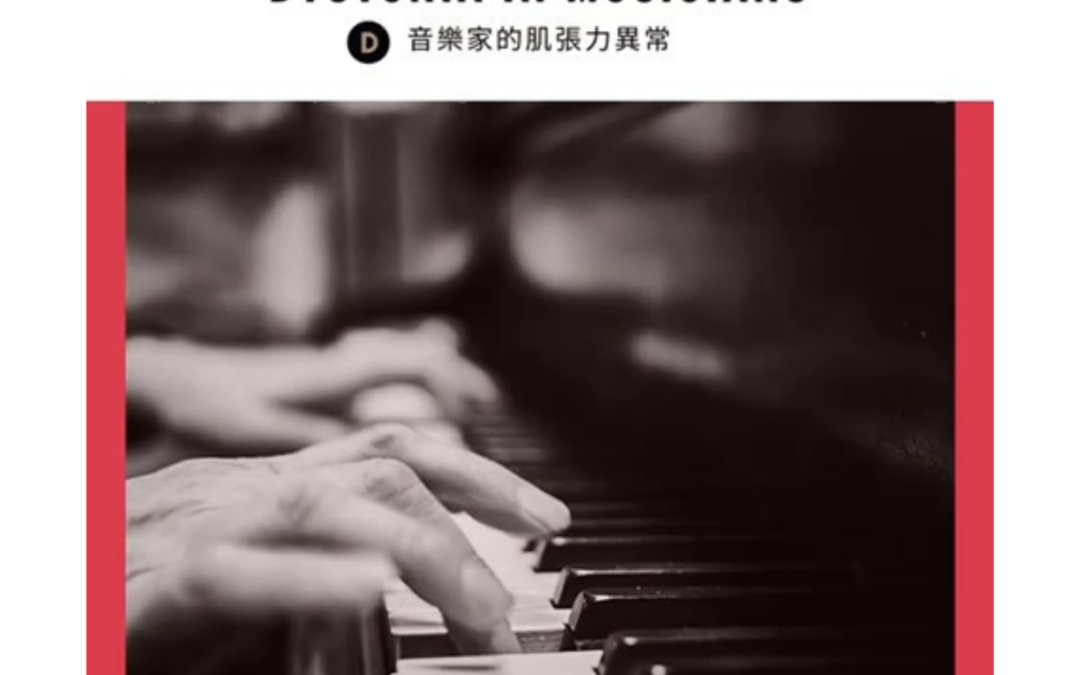
Recovery Process of Musician’s Dystonia~Piano
Changes in a pianist affected by dystonia before training, 15 days after training, and 90 days after training.
Basic Exercise to Quickly Adjust the Nervous System (with English Subtitles)
The basic exercise introduced in this video was invented by Stanley Rosenberg. It can quickly stimulate the nervous system and restore the sympathetic and parasympathetic nervous system to a balanced state. Most patients with dystonia have the problem of low parasympathetic nervous system. During rehabilitation, in addition to the movement exercises, improving the balance of the nervous system is also necessary.
Talking About the Independence of Fingers from Dystonia 2
Why would a musician with dystonia be unable to play at all because of excessive contraction of one finger? I think that is because under the interactive influence of various factors such as nerve innervation and muscular structure, it is impossible for the fingers to achieve true independence.